
The working principle of a maize milling machine plant is easier to follow if you think in terms of separation rather than force. Grain is graded by size and weight, then the useful fraction
Power consumption deserves more attention than the purchase price suggests. In a grain hulling machine line, the motors on conveyors and elevators frequently run as many hours as the main machine, and their combined draw can be surprising. Ask for an installed-power figure and an expected running figure separately. The gap between them tells you how much of the load is intermittent. Where electricity is expensive or unreliable, a slightly larger drive with a soft starter is often cheaper over a year than a borderline motor that trips during startup.
Why This Topic Matters
Carbon steel is perfectly adequate for many dry grains and costs less, but humid climates and oily materials can cause corrosion that contaminates the hulled oats. Stainless steel on the contact zone is a reasonable upgrade where the product is food-grade or where cleaning is frequent. Ask which parts are actually stainless rather than accepting a general claim. A single stainless hopper on a carbon-steel line is not a stainless line. Material contact surfaces are worth specifying explicitly.
Inside the Working Line
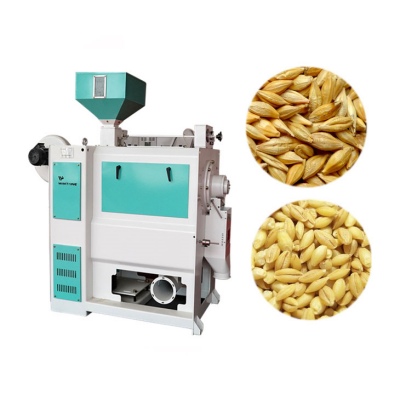
The working principle of a maize milling machine plant is easier to follow if you think in terms of separation rather than force. Grain is graded by size and weight, then the useful fraction is directed to the next stage while the off-spec fraction is peeled, ground or discharged. Airflow, screen inclination and rotor speed are the three adjustments that dominate performance. Changing one of them affects the other two, so make small adjustments and wait for the line to stabilise before touching another control. Operators who chase every fluctuation tend to make the line less stable, not more.
The benefit is not that the machine runs faster; it is that it runs the same way on Monday morning as on Friday afternoon. A maize milling machine plant with interlocks will stop safely when a downstream conveyor jams, instead of filling a hopper and creating a spill. Log the basic variables — throughput, motor current and alarm history — even if you do not plan to analyse them immediately. When something goes wrong, that record is worth more than a guess. Automation has become affordable enough that even mid-size plants can specify PLC control.
Local conditions change the specification more than buyers expect. High ambient humidity affects storage and screening; dusty roads increase the cleaning load; a unstable grid calls for gentler motor starting. If you are installing a maize milling machine plant in Kenya, describe those conditions in the enquiry instead of assuming a standard configuration will cope. A supplier who asks about climate and power quality is typically a supplier who has commissioned machines in the field.
Key Selection Criteria
Plants that perform well are not the ones with the newest machines; they are the ones that measure, adjust and record. Pick one variable around the maize milling machine plant — recovery, energy per tonne, or unplanned stops — and track it for a month. Make one change, observe the result, then keep or reverse it. This unglamorous approach reliably outperforms buying a new machine every few years, and it builds a body of knowledge specific to your material. Improvement is typically incremental.
If your hulled oats goes into bags, the weighing and sealing equipment has to match the upstream flow. A line that produces steadily but forces two workers to bag by hand will lose its advantage at the end of the day. Decide early whether packing is in scope, where it sits physically, and how much buffer storage you need between the maize milling machine plant and the packing station. Packaging is the last step and the one most often left out of the initial plan.
A maize milling machine plant that runs quietly every day, produces hulled oats your customers accept and can be maintained by your team is a good purchase. Specifications, automation and branding are all secondary to that. When you compare offers, ask each supplier to describe the operating window in plain language: what the line will do on a bad day as well as a good one. That answer tells you more than any brochure. Finally, remember that the goal is consistent saleable output, not an impressive machine.

Sizing and Specifications
Grinding and conveying equipment generate most of it, and the source is frequently a loose guard or an unbalanced rotor rather than the machine itself. During installation, listen for changes in pitch: a rising whine from an elevator usually means a belt tracking problem. Simple isolation pads under the frame and a rigid, well-aligned coupling remove a surprising amount of vibration from a maize milling machine plant. Noise is usually tolerated until somebody complains, then it becomes an expensive retrofit.
Material should move in one direction through the maize milling machine plant, with as few vertical lifts as possible. Every extra elevator adds cost, dust points and a maintenance item. Leave genuine service clearance around drive ends and screen boxes: a machine that cannot be opened for cleaning will not be cleaned properly. If you are retrofitting an existing building, measure the doorways and ceiling before ordering. We have seen perfectly good equipment delivered to a room it could not be carried into. Layout is a design problem, not a purchase detail.
Every processor eventually discovers that the machine is only half of the story. The other half is the material fed into it. oats arriving from different farms can vary in moisture, kernel size and the amount of field debris, and each of those variables changes how a maize milling machine plant behaves. A line tuned for clean, dry grain will struggle on a wet lot: screens blind over, elevations drop and the output quality drifts. The sensible answer is to characterise your raw material before you specify equipment. Take a few representative samples across a season, record moisture and impurity, and hand those numbers to the supplier. It is a small step that prevents most of the disappointing commissioning stories we hear about.
Indicative configuration
| Item | Typical value |
|---|---|
| Cleaning stage | Air-screen cleaner + destoner |
| Main process | impact hulling and separation |
| Indicative capacity | 3 tonnes per hour |
| Installed power | 18–75 kW depending on configuration |
| Contact parts | Carbon steel / stainless option |
| Control | Manual or PLC |
| Typical model | MTPS-O |
Field Notes on Operation
There is a strong case for starting with a reference visit. A photograph of a finished installation tells you very little about how it runs after a year. If the supplier can arrange a video call or a visit to a plant processing similar oats in Kenya, take it. Ask the operator what they would change. The answer is often practical and surprisingly simple, and it is far more reliable than a brochure description of the same maize milling machine plant.
Return on investment is rarely a single calculation, but the framework is simple. Estimate the extra saleable hulled oats you gain from better recovery, the labour you save, and the downtime you avoid, then set those against the annual cost of financing, power and maintenance. Even rough numbers are useful because they show which variable matters most. In most grain plants, a one-percent improvement in recovery outweighs a large reduction in energy use. Focus your improvement effort where the leverage actually is.
Maintenance discipline shows up in output quality long before it shows up in a breakdown. A screen with a small tear lets oversize into the hulled oats; a worn belt slows an elevator and starves the next stage; a clogged aspiration line changes the separation balance. Walk the grain hulling machine at the start of each shift and look for these small deviations. Ten minutes of attention is cheaper than an unplanned stop, and the habit is easier to keep than a complicated maintenance schedule nobody reads.
Understanding the Full Budget
If the frame and drive of the maize milling machine plant are sound and only the working parts are worn, a rebuild can restore most of the performance for a fraction of the cost. If the design itself limits you — poor access, obsolete controls, no local parts — continuing to repair is a way of postponing a decision. Write down the last three repairs and their cost. The pattern typically makes the answer obvious. The choice between repairing and replacing is rarely clear-cut.
Small processors face a different set of constraints. Floor space is limited, capital is tight and the operator frequently does several jobs at once. A compact maize milling machine plant with straightforward controls and easy access to wear parts typically beats a larger machine with better headline figures. Resist the temptation to buy more capacity than you need today. Extra capacity that sits idle still takes space, needs cleaning and ties up money that could be spent on raw material.
If the maize milling machine plant runs hard for a few months and then sits idle, preservation matters as much as performance. Clean the product paths thoroughly, remove material from screens and hoppers, protect exposed machined surfaces and disconnect or cover electrical equipment according to the local conditions. Restarting a line that was stored badly takes longer than people expect and frequently reveals corrosion that could have been prevented in an afternoon. Seasonal operations need a different mindset.
What a Real Installation Looks Like
Storage before processing deserves the same attention as storage after it. Grain held in a bin for weeks can develop moisture gradients, and the first truck out of a silo is rarely representative of the rest. Rotate stock, sample at several depths and avoid drawing from a bin that has been sitting undisturbed. Feeding inconsistent material into a maize milling machine plant makes every downstream control work harder, and no amount of automation can compensate for a raw material that changes hour by hour.

Related equipment: Home · About Us
Ask yourself what happens on the day the grid dips or the delivery truck is late. Plants that run a maize milling machine plant reliably in Kenya usually have a short list of contingencies: a buffer of oats, a generator or soft start for the MTPS-O drive, and one person who knows how to clear a blockage safely. None of this appears in a specification sheet, yet all of it determines whether the line runs.
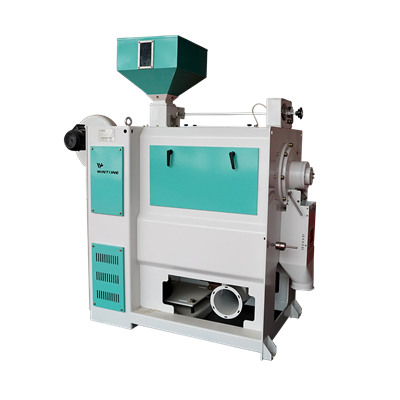
In a Kenya installation we reviewed recently, the operator started with 3 tonnes per hour of oats and a MTPS-O configuration. The first week was spent adjusting the impact hulling and separation stage rather than chasing nameplate output. By the second week the line had settled, and the hulled oats leaving the final discharge was visibly more uniform. The lesson was ordinary but easy to forget: a line finds its rhythm when the raw material is understood, not when every knob is turned at once.
One processor in Kenya kept a notebook beside the grain hulling machine. Every shift they recorded the moisture of incoming oats, the setting of the impact hulling and separation stage and the amount of off-spec hulled oats. After three months the pattern was clear: most quality complaints followed a wet delivery, not a machine fault. That simple record changed how they bought grain and how they scheduled the maize milling machine plant.
Questions Buyers Ask Us Most
Is automation worth the extra money?
If you run long batches with few operators, PLC control typically pays back through steadier output and fewer adjustments. For a small operation that changes product every day, simple manual controls may be easier to live with.
Do you provide layout drawings?
A proper supplier will give you a general arrangement drawing showing machine positions, service clearances and the direction of material flow. It is much cheaper to move a line on paper than after the foundation is poured.
How much does a maize milling machine plant usually cost?
Prices depend far more on capacity and the degree of automation than on the nameplate. A compact single machine and a complete grain hulling machine line with conveyors, sifting and packing are different purchases. Ask for a itemised quotation with the exact 3 tonnes per hour capacity, installed power and included spare parts so you can compare like for like.
How long does installation and commissioning take?
For a single unit it is typically a matter of days. For a complete grain hulling machine line, allow time for foundation work, alignment, electrical hookup and a trial run with your own material. The trial is the part that should never be skipped.
What spare parts should I keep on hand?
Screens, belts, bearings and the wear parts that touch the grain are the sensible starter kit. Keep one set of whatever would stop the whole maize milling machine plant if it failed on a Friday afternoon.
How do I know whether the capacity claim is realistic?
Ask for the basis: which material, what moisture, what impurity level and what output specification. A 3 tonnes per hour figure without those conditions is marketing, not engineering. Insist on a witnessed test or a reference plant.
A Practical Next Step
Run the grain hulling machine first with a small batch of your own material, not with the clean sample used in the factory test. Watch the discharge points and measure the actual output against the specification. Adjust one parameter at a time and record what changed. It is tempting to chase full throughput on day one, but a line settled gently into its operating window tends to stay there. A two-day careful start saves weeks of complaint later. Commissioning is the point where a project either proves itself or quietly accumulates problems.

